Suraiya Faroqhi, a German student of history who lives in Istanbul, calls Ist das ein Mensch? “a thorn in my side and sparked reflection” and writes that she has written to him out of a desire to understand.
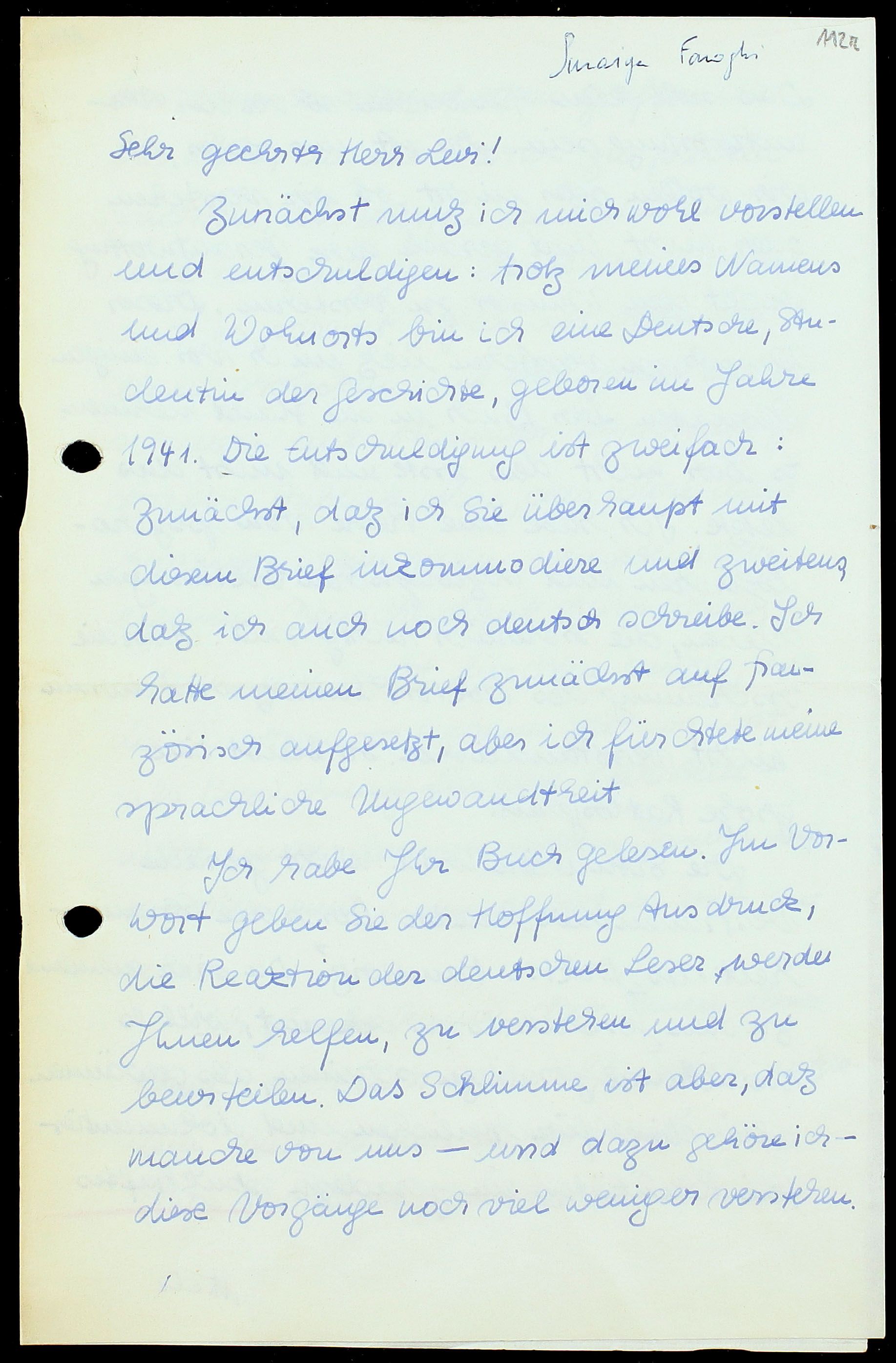
Sehr geehrter Herr Levi!
Zunächst muß ich mich wohl vorstellen und entschuldigen: trotz meines Namens und Wohnorts bin ich eine Deutsche, Studentin der Geschichte, geboren im Jahre 1941. Die Entschuldigung ist zweifach: zunächst, daß ich Sie überhaupt mit diesem Brief inkommodiere und zweitens, daß ich auch noch deutsch schreibe. Ich hatte meinen Brief zunächst auf französisch aufgesetzt, aber ich fürchtete meine sprachliche Ungenwandtheit.
Ich habe Ihr Buch gelesen. Im Vorwort geben Sie der Hoffnung Ausdruck, die Reaktion der deutschen Leser werden Ihnen helfen, zu verstehen und zu beurteilen. Das Schlimme ist aber, daß manche von uns – und dazu gehöre ich – diese Vorgänge noch viel weniger verstehen.
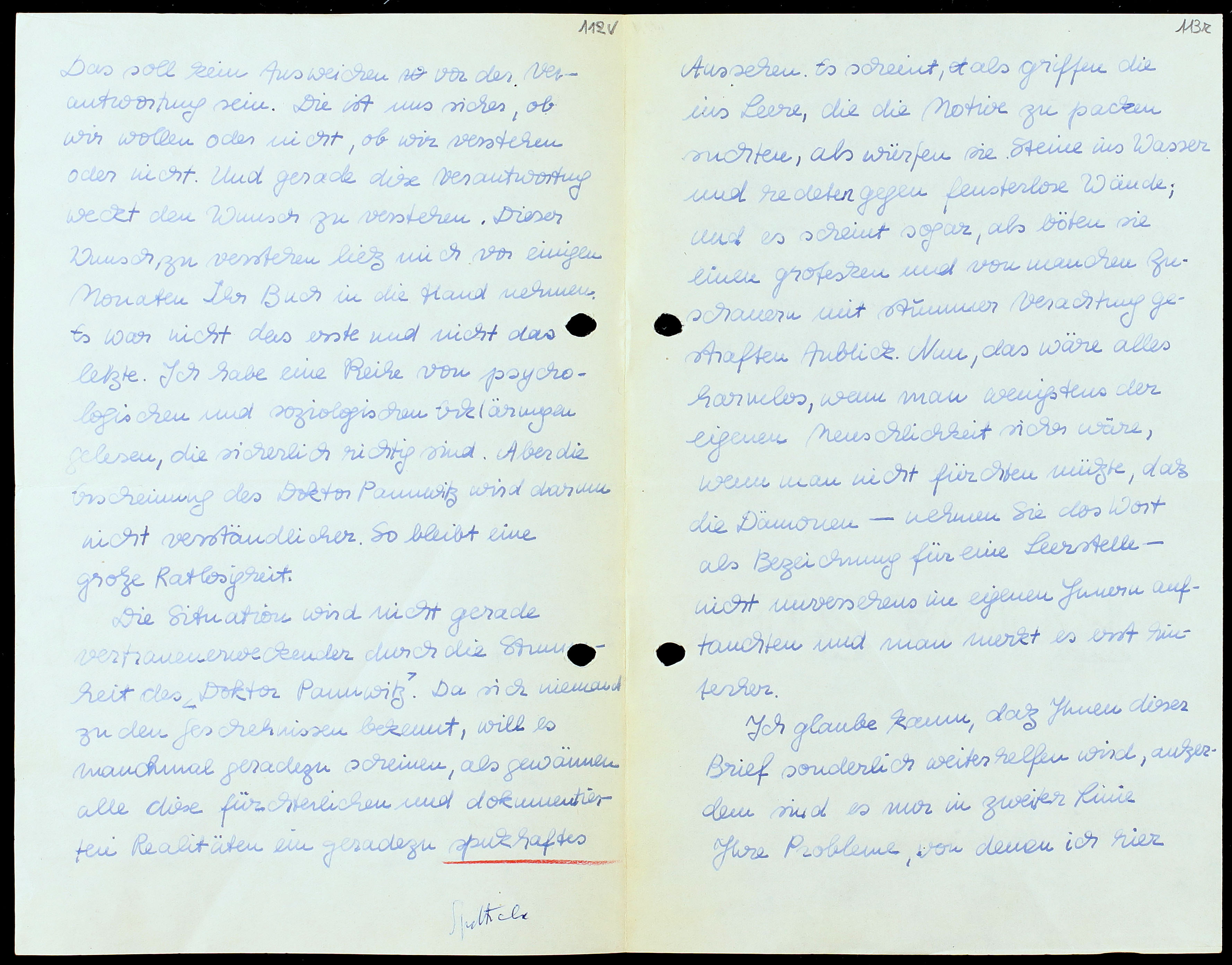
Das soll kein Ausweichen vor der Verantwortung sein. Die ist uns sicher, ob wir wollen oder nicht, ob wir verstehen oder nicht. Und gerade diese Verantwortung weckt den Wunsch zu verstehen. Dieser Wunsch zu verstehen ließ mich von einigen Monaten Ihr Buch in die Hand nehmen. Es war nicht das erste und nicht das letzte. Ich habe eine Reihe von psychologischen und soziologischen Erklärungen gelesen, die sicherlich richtig sind. Aber die Erscheinung des Doktor Pannwitz wird darum nicht verständlicher. So bleibt eine große Ratlosigkeit.
Die Situation wird nicht gerade vertrauenerweckender durch die Stummheit des „Doktor Pannwitz“. Da sich niemand zu den geschehnissen bekennt, will es manchmal geradezu scheinen, als gewännen alle diese fürchterlichen und dokumentierten Realitäten ein geradezu spukhaftes[1]Aussehen. Es scheint, als griffen die ins Leere, die die Motive zu packen suchten, als würfen sie Steine ins Wasser und redeten gegen fensterlose Wände; und es scheint sogar, als böten sie einen grotesken und von manchen Zuschauern mit stummer Verachtung gestraften Anblick. Nun, das wäre alles harmlos, wenn man wenigstens der eigenen Menschlichkeit sicher wäre, wenn man nicht fürchten müßte, daß die Dämonen – nehmen Sie das Wort als Bezeichnung für eine Leerstelle – nicht unversehens in eigenen Innern auftauchten und man merkt es erst hinterher.
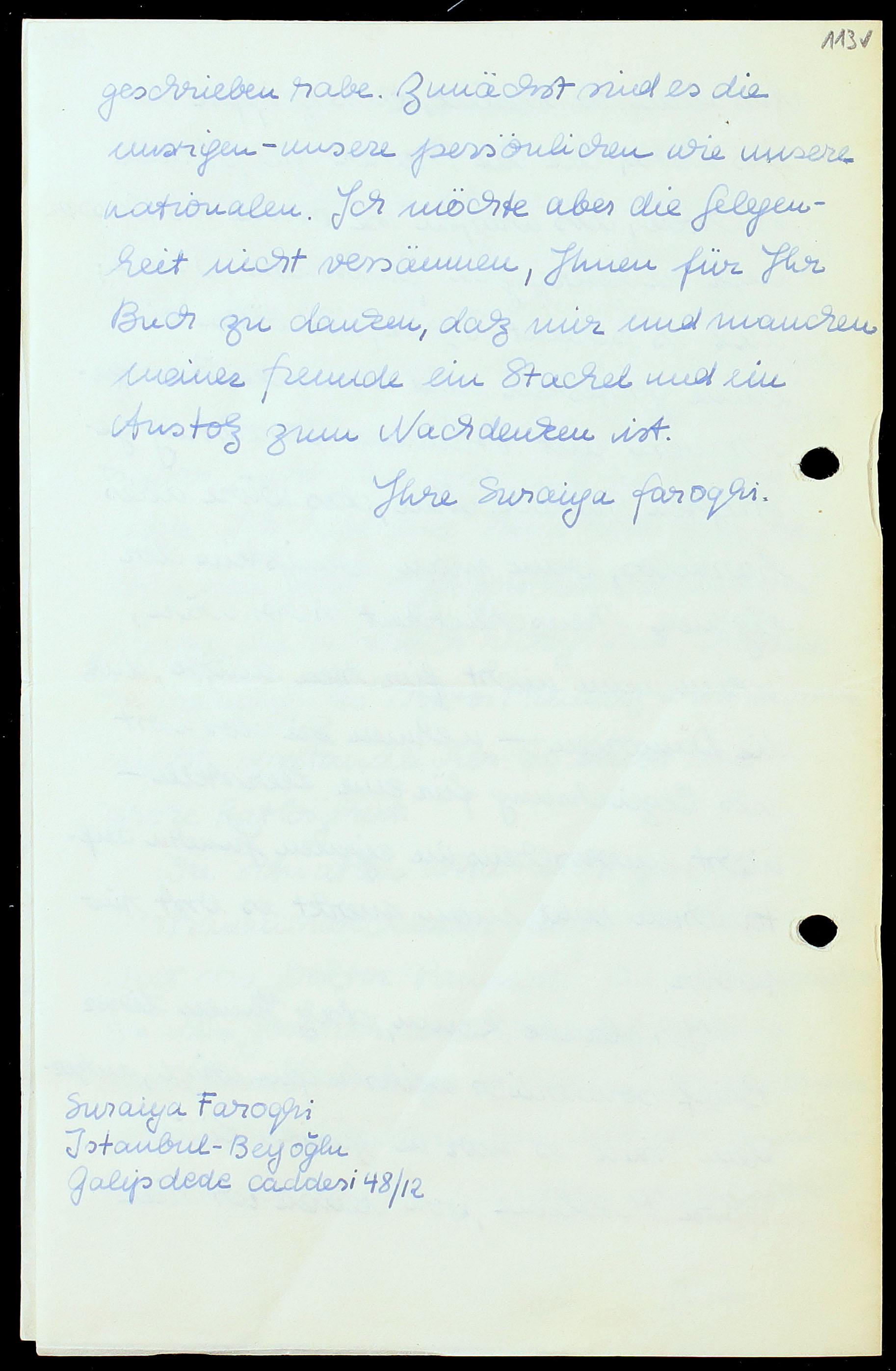
Ich glaube kaum, daß Ihnen dieser Brief sonderlich weiter helfen wird, außerdem sind es nur in zweiter Linie Ihre Probleme, von denen ich hier geschrieben habe. Zunächst sind es die unsrigen – unsere persönlichen wie unsere nationalen. Ich möchte aber die Gelegenheit nicht versäumen, Ihnen für Ihr Buchzu danken, daß mir und manchen meiner Freunde ein Stachel und ein Anstoß zum Nachdenken ist.
Ihre Suraiya Faroqhi
Suraiya Faroqhi Istanbul – Beyoğlu Galipdede Caddesi 48/12
Suraiya Faroghi Istanbul Beyoglu Galipdede caddesi 48/12
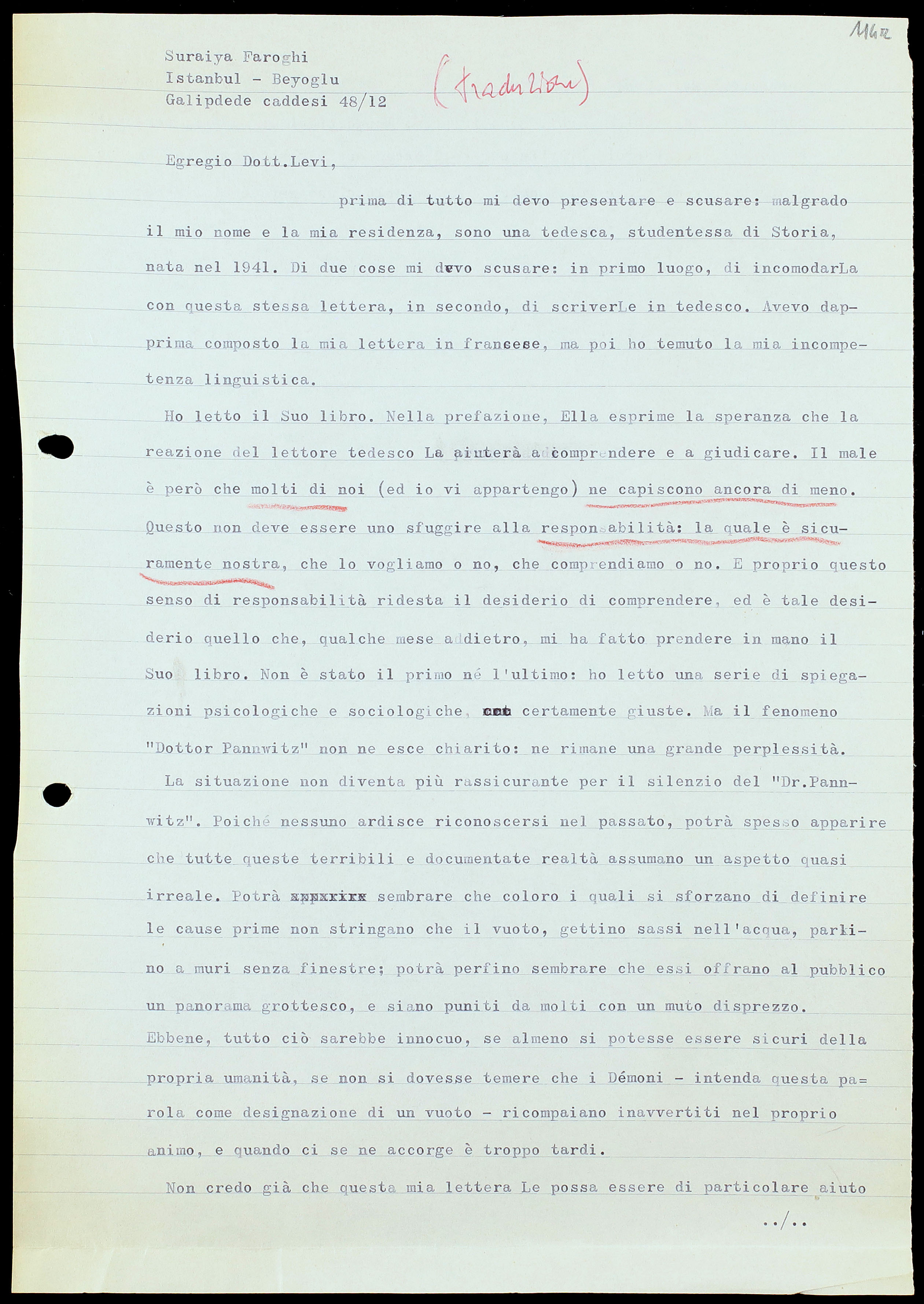
Egregio Dott. Levi,
prima di tutto mi devo presentare e scusare: malgrado il mio nome e la mia residenza, sono una tedesca, studentessa di Storia, nata nel 1941. Di due cose mi devo scusare: in primo luogo, di incomodarLa con questa lettera, in secondo, di scriverLe in tedesco. Avevo dapprima composto la mia lettera in francese, ma poi ho temuto la mia incompetenza linguistica.
Ho letto il Suo libro. Nella prefazione, Ella esprime la speranza che la reazione del lettore tedesco La aiuterà a comprendere e a giudicare. Il male è però che molti di noi (ed io vi appartengo) ne capiscono ancora di meno.IQuesto non deve essere uno sfuggire alla responsabilità: la quale è sicuramente nostra,IIche lo vogliamo o no, che comprendiamo o no. E proprio questo senso di responsabilità ridesta il desiderio di comprendere, ed è tale desiderio quello che, qualche mese addietro, mi ha fatto prendere in mano il Suo libro. Non è stato il primo né l’ultimo: ho letto una serie di spiegazioni psicologiche e sociologiche, certamente giuste. Ma il fenomeno “Dottor Pannwitz” non ne esce chiarito: ne rimane una grande perplessità. La situazione non diventa più rassicurante per il silenzio del “Dr. Pannwitz”. Poiché nessuno ardisce riconoscersi nel passato, potrà spesso apparire che tutte queste terribili e documentate realtà assumano un aspetto quasi irreale.[1]Potrà sembrareIIIche coloro i quali si sforzano di definire le cause prime non stringano che il vuoto, gettino sassi nell’acqua, parlino a muri senza finestre; potrà perfino sembrare che essi offrano al pubblico un panorama grottesco, e siano puniti da molti con un muto disprezzo.
Ebbene, tutto ciò sarebbe innocuo, se almeno si potesse essere sicuri della propria umanità, se non si dovesse temere che i Démoni – intenda questa parola come designazione di un vuoto – ricompaiano inavvertiti nel proprio animo, e quando ci se ne accorge è troppo tardi.
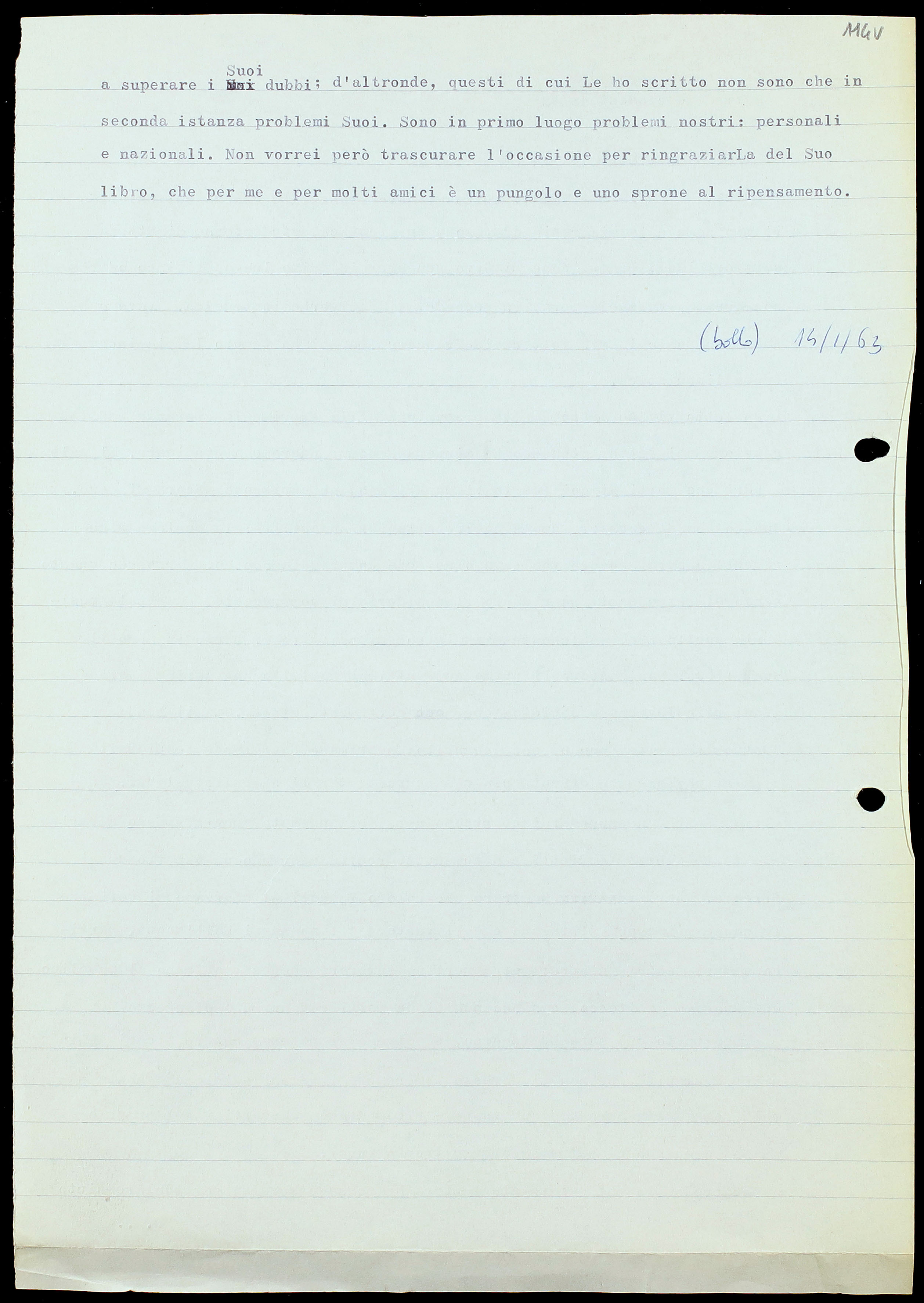
Non credo già che questa mia lettera Le possa essere di particolare aiuto a superare i Suoi dubbi: d’altronde, questi di cui Le ho scritto non sono che in seconda istanza problemi Suoi. Sono in primo luogo problemi nostri: personali e nazionali. Non vorrei però trascurare l’occasione per ringraziarLa del Suo libro, che per me e per molti amici è un pungolo e uno sprone al ripensamento.
Dear Mr. Levi!
First of all, allow me to introduce myself and apologize: despite my name and place of residence, I am a German, a history student, born in 1941. My reason for apologizing is twofold: first, for bothering you with this letter, and second, for writing in German. I had initially drafted my letter in French, but then feared my linguistic level is too awkward.
I read your book. In the foreword, you express the hope that German readers’ reactions will help you to understand and judge. The problem, however, is that some of us—myself included—comprehend these events even less.
This is not intended as an evasion of responsibility. That responsibility is ours, whether we want it or not, whether we understand it or not. And it is precisely this responsibility that awakens the desire to understand. This desire to understand led me to pick up your book a few months ago. It was not the first and it will not be the last. I have read a number of psychological and sociological explanations that are certainly correct. But they do not make the phenomenon of Dr. Pannwitzany easier to understand. So my deep perplexity remains.
The situation is not exactly made more reassuring by the silence of “Doctor Pannwitz”. Since no one acknowledges what happened, it sometimes seems as if all these terrible yet rigorously documented realities took on an almost spectral[1] appearance. It is as if they were grasping at the void that nature sought to seize, as if they were throwing stones into water and talking to windowless walls; and it even seems as if they were offering a grotesque view, one that some onlookers regarded with contempt. Well, that would all be harmless if one were at least sure of one’s own humanity, if one did not have to fear that the demons—take the word as a designation for a void—might unwittingly appear in one’s own dreams, only to be noticed afterward.
I do not believe this letter will be of much help to you, and besides, the problems I have written about here are only secondarily yours. First and foremost, they are ours—both personal and national. Yet I would not want to miss taking this opportunity to thank you for your book, which has been a thorn in my side and sparked reflection in me and several of my friends.
Yours, Suraiya Faroqhi
Suraiya Faroqhi Istanbul – Beyoğlu Galipdede Caddesi 48/12
Sehr geehrter Herr Levi!
Zunächst muß ich mich wohl vorstellen und entschuldigen: trotz meines Namens und Wohnorts bin ich eine Deutsche, Studentin der Geschichte, geboren im Jahre 1941. Die Entschuldigung ist zweifach: zunächst, daß ich Sie überhaupt mit diesem Brief inkommodiere und zweitens, daß ich auch noch deutsch schreibe. Ich hatte meinen Brief zunächst auf französisch aufgesetzt, aber ich fürchtete meine sprachliche Ungenwandtheit.
Ich habe Ihr Buch gelesen. Im Vorwort geben Sie der Hoffnung Ausdruck, die Reaktion der deutschen Leser werden Ihnen helfen, zu verstehen und zu beurteilen. Das Schlimme ist aber, daß manche von uns – und dazu gehöre ich – diese Vorgänge noch viel weniger verstehen.
Das soll kein Ausweichen vor der Verantwortung sein. Die ist uns sicher, ob wir wollen oder nicht, ob wir verstehen oder nicht. Und gerade diese Verantwortung weckt den Wunsch zu verstehen. Dieser Wunsch zu verstehen ließ mich von einigen Monaten Ihr Buch in die Hand nehmen. Es war nicht das erste und nicht das letzte. Ich habe eine Reihe von psychologischen und soziologischen Erklärungen gelesen, die sicherlich richtig sind. Aber die Erscheinung des Doktor Pannwitz wird darum nicht verständlicher. So bleibt eine große Ratlosigkeit.
Die Situation wird nicht gerade vertrauenerweckender durch die Stummheit des „Doktor Pannwitz“. Da sich niemand zu den geschehnissen bekennt, will es manchmal geradezu scheinen, als gewännen alle diese fürchterlichen und dokumentierten Realitäten ein geradezu spukhaftes[1]Aussehen. Es scheint, als griffen die ins Leere, die die Motive zu packen suchten, als würfen sie Steine ins Wasser und redeten gegen fensterlose Wände; und es scheint sogar, als böten sie einen grotesken und von manchen Zuschauern mit stummer Verachtung gestraften Anblick. Nun, das wäre alles harmlos, wenn man wenigstens der eigenen Menschlichkeit sicher wäre, wenn man nicht fürchten müßte, daß die Dämonen – nehmen Sie das Wort als Bezeichnung für eine Leerstelle – nicht unversehens in eigenen Innern auftauchten und man merkt es erst hinterher.
Ich glaube kaum, daß Ihnen dieser Brief sonderlich weiter helfen wird, außerdem sind es nur in zweiter Linie Ihre Probleme, von denen ich hier geschrieben habe. Zunächst sind es die unsrigen – unsere persönlichen wie unsere nationalen. Ich möchte aber die Gelegenheit nicht versäumen, Ihnen für Ihr Buchzu danken, daß mir und manchen meiner Freunde ein Stachel und ein Anstoß zum Nachdenken ist.
Ihre Suraiya Faroqhi
Suraiya Faroqhi Istanbul – Beyoğlu Galipdede Caddesi 48/12
Suraiya Faroghi Istanbul Beyoglu Galipdede caddesi 48/12
Egregio Dott. Levi,
prima di tutto mi devo presentare e scusare: malgrado il mio nome e la mia residenza, sono una tedesca, studentessa di Storia, nata nel 1941. Di due cose mi devo scusare: in primo luogo, di incomodarLa con questa lettera, in secondo, di scriverLe in tedesco. Avevo dapprima composto la mia lettera in francese, ma poi ho temuto la mia incompetenza linguistica.
Ho letto il Suo libro. Nella prefazione, Ella esprime la speranza che la reazione del lettore tedesco La aiuterà a comprendere e a giudicare. Il male è però che molti di noi (ed io vi appartengo) ne capiscono ancora di meno.IQuesto non deve essere uno sfuggire alla responsabilità: la quale è sicuramente nostra,IIche lo vogliamo o no, che comprendiamo o no. E proprio questo senso di responsabilità ridesta il desiderio di comprendere, ed è tale desiderio quello che, qualche mese addietro, mi ha fatto prendere in mano il Suo libro. Non è stato il primo né l’ultimo: ho letto una serie di spiegazioni psicologiche e sociologiche, certamente giuste. Ma il fenomeno “Dottor Pannwitz” non ne esce chiarito: ne rimane una grande perplessità. La situazione non diventa più rassicurante per il silenzio del “Dr. Pannwitz”. Poiché nessuno ardisce riconoscersi nel passato, potrà spesso apparire che tutte queste terribili e documentate realtà assumano un aspetto quasi irreale.[1]Potrà sembrareIIIche coloro i quali si sforzano di definire le cause prime non stringano che il vuoto, gettino sassi nell’acqua, parlino a muri senza finestre; potrà perfino sembrare che essi offrano al pubblico un panorama grottesco, e siano puniti da molti con un muto disprezzo.
Ebbene, tutto ciò sarebbe innocuo, se almeno si potesse essere sicuri della propria umanità, se non si dovesse temere che i Démoni – intenda questa parola come designazione di un vuoto – ricompaiano inavvertiti nel proprio animo, e quando ci se ne accorge è troppo tardi.
Non credo già che questa mia lettera Le possa essere di particolare aiuto a superare i Suoi dubbi: d’altronde, questi di cui Le ho scritto non sono che in seconda istanza problemi Suoi. Sono in primo luogo problemi nostri: personali e nazionali. Non vorrei però trascurare l’occasione per ringraziarLa del Suo libro, che per me e per molti amici è un pungolo e uno sprone al ripensamento.
Dear Mr. Levi!
First of all, allow me to introduce myself and apologize: despite my name and place of residence, I am a German, a history student, born in 1941. My reason for apologizing is twofold: first, for bothering you with this letter, and second, for writing in German. I had initially drafted my letter in French, but then feared my linguistic level is too awkward.
I read your book. In the foreword, you express the hope that German readers’ reactions will help you to understand and judge. The problem, however, is that some of us—myself included—comprehend these events even less.
This is not intended as an evasion of responsibility. That responsibility is ours, whether we want it or not, whether we understand it or not. And it is precisely this responsibility that awakens the desire to understand. This desire to understand led me to pick up your book a few months ago. It was not the first and it will not be the last. I have read a number of psychological and sociological explanations that are certainly correct. But they do not make the phenomenon of Dr. Pannwitzany easier to understand. So my deep perplexity remains.
The situation is not exactly made more reassuring by the silence of “Doctor Pannwitz”. Since no one acknowledges what happened, it sometimes seems as if all these terrible yet rigorously documented realities took on an almost spectral[1] appearance. It is as if they were grasping at the void that nature sought to seize, as if they were throwing stones into water and talking to windowless walls; and it even seems as if they were offering a grotesque view, one that some onlookers regarded with contempt. Well, that would all be harmless if one were at least sure of one’s own humanity, if one did not have to fear that the demons—take the word as a designation for a void—might unwittingly appear in one’s own dreams, only to be noticed afterward.
I do not believe this letter will be of much help to you, and besides, the problems I have written about here are only secondarily yours. First and foremost, they are ours—both personal and national. Yet I would not want to miss taking this opportunity to thank you for your book, which has been a thorn in my side and sparked reflection in me and several of my friends.
Yours, Suraiya Faroqhi
Suraiya Faroqhi Istanbul – Beyoğlu Galipdede Caddesi 48/12
Info
Notes
Tag
Sender: Suraiya Faroqhi
Addressee: Primo Levi
Date of Drafting: 1963-01-14
Place of Writing: Istanbul
Description:handwritten letter in blue fountain pen on white paper (mm150x230) with underlining by Levi in red pencil. On the upper margin of f. 112r, Levi notes in blue ballpoint pen: “Suraiya Faroghi.” Levi’s translation (f. 114r/v) is typewritten on lined paper and has underlining in red pencil and handwritten insertions in red and blue ballpoint pen; on f. 114r, “(translation)” is written by hand in red ballpoint pen; on the back of the same sheet, “(bollo) 14/1/63” is written by hand in blue ballpoint pen.
Archive: Archivio privato di Primo Levi, Turin
Series: Complesso di fondi Primo Levi, Fondo Primo Levi, Corrispondenza, Corrispondenti particolari, fasc. 20, sottofasc. 1, ff. 112 r/v, 113 r/v, 114 r/v (trad.).
Folio: 3, front and back
DOI: https://doi.org/10.15160/czc7-1b64
1 Levi underlines “spukhaftes” in red pencil and writes by hand below the line, in blue ballpoint pen,: “Spettrale.”
IItalicized in the text is Primo Levi’s translation of the letter. “molti di noi [...] ne capiscono ancora di meno” is underlined by red pencil.
II“responsabilità: la quale è sicuramente nostra” is underlined by red pencil.
III“sembrare” has been crossed out and replaced with “apparire”.